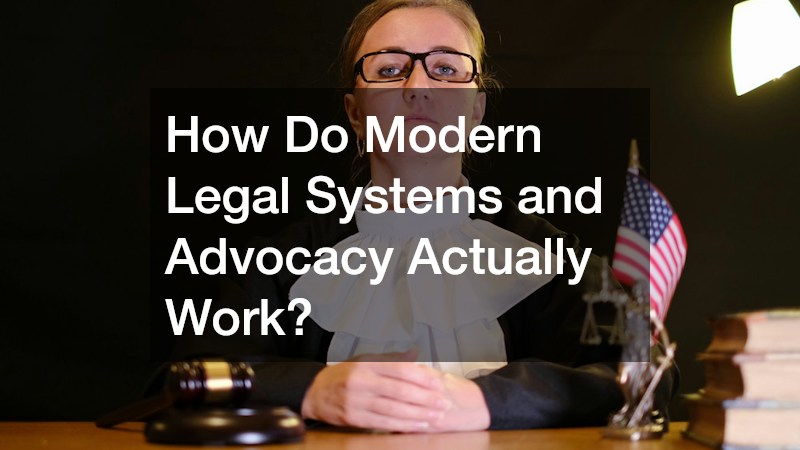

Modern legal systems influence nearly every part of daily life, from personal rights and family matters to business agreements, property ownership, and criminal proceedings. They establish the rules that guide how disputes are handled, how responsibilities are enforced, and how individuals and organizations can seek legal protection. Yet understanding how the law works can be challenging. Different courts, legal procedures, government institutions, and areas of practice each play a role in resolving disputes and upholding the rule of law. Knowing how these elements fit together can help people make informed decisions when legal questions or conflicts arise.
At the center of this process is modern legal advocacy, which involves more than representing clients in court. Lawyers and other legal professionals interpret laws, explain available options, prepare legal documents, negotiate agreements, protect individual and organizational rights, and help clients navigate complex procedures. Their work can take place in courtrooms, government agencies, businesses, community organizations, and other settings where legal knowledge and representation are needed. Understanding their responsibilities also helps clarify how legal systems turn written laws and established rights into practical outcomes.
This guide examines how modern legal systems operate and how advocacy supports access to justice. It explores the major areas of legal practice, the roles of legal professionals, and the processes involved in protecting rights and resolving disputes. Whether you are dealing with a personal legal concern, managing a business, or simply seeking to understand how the justice system works, learning these fundamentals can help you recognize when legal assistance may be necessary and how to approach it with greater confidence.
Protecting Constitutional Rights in the Justice System
The foundation of a free society rests upon the fair application of justice, particularly when an individual’s liberty is at stake. When the state initiates a case against a citizen, the power imbalance is immediate and significant. Legal representation in this arena is not merely a formality; it is a constitutional safeguard designed to ensure that the burden of proof remains with the prosecution and that every defendant receives a fair trial. Navigating the nuances of evidentiary rules and courtroom procedure requires a deep understanding of criminal defense law to prevent miscarriages of justice and protect the fundamental rights of the accused.
Beyond the trial itself, legal advocacy involves extensive pre-trial investigations and the negotiation of resolutions that may mitigate long-term consequences. Defense strategies often hinge on the ability to identify procedural errors or constitutional violations that occurred during the investigative phase. This level of scrutiny ensures that law enforcement agencies adhere to the highest standards of conduct. Without the presence of skilled advocates, the risk of wrongful conviction or excessive sentencing increases, undermining the public’s trust in the judicial process as a whole.
Seeking Restitution for Accidental Harm and Negligence
Civil litigation provides a mechanism for individuals to seek compensation when the actions or omissions of another party cause physical or emotional harm. Tort law is predicated on the idea that the responsible party should bear the financial burden of the damages they have caused. In the aftermath of a collision or a workplace incident, victims often face mounting medical bills and a loss of income, making the pursuit of a claim a financial necessity. Consulting with local personal injury attorneys allows victims to assess the strength of their case and determine the appropriate path toward a settlement or verdict.
The process of proving negligence involves gathering forensic evidence, interviewing witnesses, and often employing expert testimony to establish a clear link between the defendant’s behavior and the plaintiff’s injuries. Insurance companies frequently attempt to minimize payouts, making it essential to have a representative who understands the true value of a claim. Whether dealing with a standard traffic incident or a complex multi-vehicle collision, local injury lawyers provide the necessary leverage to ensure that the final compensation covers both immediate needs and long-term rehabilitation costs.
Managing Marital Transitions and Domestic Relations

The dissolution of a marriage is one of the most emotionally and legally taxing experiences an individual can undergo. Family courts handle a variety of sensitive matters, including the division of marital assets, the determination of spousal support, and the establishment of child custody arrangements. Because these decisions have a profound impact on the future well-being of all family members, the guidance of a dedicated family lawyer is indispensable. A skilled advocate helps clients navigate the emotional volatility of the situation while ensuring that their legal rights are fully protected throughout the proceedings.
In recent years, many couples have turned away from traditional adversarial litigation in favor of more collaborative approaches. These methods prioritize open communication and compromise, aiming to reach a resolution that is mutually beneficial rather than dictated by a judge. Utilizing a professional divorce mediation service can significantly reduce the time, cost, and animosity associated with ending a marriage. By working through a neutral third party, spouses can often arrive at creative solutions for co-parenting and asset division that a court might not have considered, fostering a more stable environment for their children.
Safeguarding Real Estate and Tangible Assets
Property ownership is often the cornerstone of personal wealth, yet it comes with a unique set of legal challenges and liabilities. Disputes can arise from boundary disagreements, title defects, or disagreements between landlords and tenants. Furthermore, when a property suffers significant damage due to fire, water, or natural disasters, owners often find themselves at odds with insurance providers over the scope of coverage. Engaging a property damage attorney ensures that the policyholder’s interests are represented during the claims process, preventing the unfair denial or underpayment of essential repairs.
Clear titles and well-drafted contracts are the best defenses against future litigation in real estate. Whether purchasing a first home or managing a portfolio of commercial buildings, the legal documentation must be precise and compliant with local zoning laws. Effective legal counsel helps owners identify potential pitfalls before they become expensive problems, such as undisclosed liens or restrictive easements. By prioritizing the legal health of their assets, owners can enjoy the benefits of their property with the confidence that their investment is secure and their liabilities are minimized.
Strategic Wealth Preservation and Legacy Planning

Preparation for the future is a vital component of a comprehensive financial strategy. Without a clear plan in place, an individual’s assets may be subject to excessive taxation or lengthy disputes among heirs after their passing. Modern planning involves more than just drafting a simple will; it requires the creation of trusts, the designation of healthcare proxies, and the establishment of powers of attorney. Working with a knowledgeable estate planning lawyer allows individuals to customize a strategy that reflects their specific values and goals, ensuring that their legacy is preserved according to their exact wishes.
A proactive approach to legacy management also simplifies the transition for surviving family members during a time of grief. When an estate is well-organized, the administrative burden is greatly reduced, allowing the family to focus on their emotional recovery rather than legal technicalities. This process often includes strategies for minimizing probate, protecting assets from potential creditors, and providing for the long-term care of minor children or dependents with special needs. By addressing these issues early, individuals can achieve peace of mind knowing that their family’s future is secure.
Navigating the Administrative Burdens of Probate
When a loved one passes away, their estate must go through a formal legal process to settle debts and distribute assets to the rightful beneficiaries. This period can be fraught with complexity, particularly if the deceased left behind an intricate financial portfolio or if family members disagree on the interpretation of a will. Seeking the assistance of a local probate attorney helps executors and administrators fulfill their fiduciary duties with accuracy and transparency. This professional oversight ensures that all legal requirements are met and that the estate is closed in a timely manner.
The role of a legal representative in this context includes identifying and inventorying property, appraising assets, and notifying creditors of the passing. If the estate faces challenges—such as a contested will or claims of mismanagement—the attorney provides the necessary defense to uphold the decedent’s original intent. By providing a clear roadmap through the administrative requirements, legal counsel helps prevent the delays and disputes that often plague the settlement of an estate, allowing for a more orderly transfer of wealth and responsibility.
Resolving Specialized Disputes in Maritime Environments
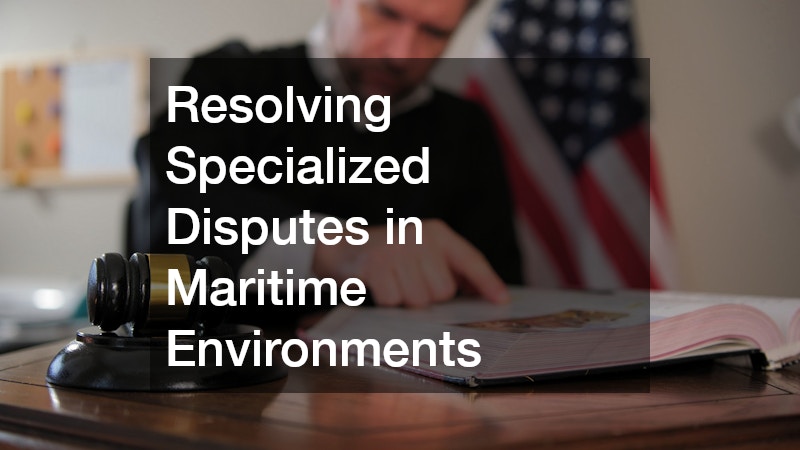
Incidents that occur on the water are governed by a unique set of federal and international regulations known as maritime or admiralty law. These rules differ significantly from the laws that apply to land-based accidents, particularly regarding jurisdiction and the calculation of damages. If an individual is injured while operating a vessel or as a passenger, they must seek representation from a boat accident lawyer who understands these specific legal nuances. Proving liability in a maritime setting requires an analysis of navigation rules, equipment maintenance logs, and environmental conditions at the time of the event.
Because waterways are often shared by recreational boaters and commercial shipping interests, the potential for complex multi-party litigation is high. Legal advocates in this field must be prepared to handle cases involving varied jurisdictions and specialized insurance policies. Whether the incident occurred on a private lake or in coastal waters, the legal strategy must account for the specific statutes that govern that territory. Ensuring that the proper evidence is preserved and that the claim is filed within the strict maritime statutes of limitations is critical for a successful outcome.
Seeking a Fresh Start Through Debt Restructuring
Financial hardship can strike anyone due to unforeseen medical emergencies, job loss, or market fluctuations. When debt becomes unmanageable, the legal system offers pathways for individuals and businesses to reorganize their finances and obtain a fresh start. Bankruptcy is a powerful tool designed to provide relief to honest debtors while ensuring a fair distribution of assets to creditors. Consulting with a local bankruptcy attorney allows individuals to explore different filing options, such as liquidation or a structured repayment plan, depending on their income and total liabilities.
The filing process triggers an automatic stay, which immediately halts collection efforts, including wage garnishments and foreclosure proceedings. This provides the debtor with the breathing room necessary to evaluate their financial situation and work toward a sustainable resolution. While the decision to file for bankruptcy is significant, it is often the most effective way to break the cycle of debt and rebuild financial stability. Professional legal guidance ensures that the debtor fully understands the long-term implications of the process and that they successfully fulfill all the requirements for a discharge of their obligations.
The Role of Advocacy in Corporate Governance

In the business world, the law serves as the foundation for all commercial transactions and organizational structures. Companies must navigate a maze of employment laws, tax regulations, and industry-specific compliance requirements to remain operational. Legal counsel plays a proactive role in risk management, helping businesses draft enforceable contracts and resolve disputes before they escalate into costly litigation. By prioritizing legal compliance, organizations can protect their intellectual property, manage their workforce effectively, and maintain a positive reputation in the marketplace.
Effective corporate advocacy also involves representing the interests of the company during mergers, acquisitions, or regulatory audits. When a business is well-protected by sound legal advice, it is better positioned to pursue growth opportunities and weather economic challenges. The relationship between a company and its legal team is one of strategic partnership, where the focus is on long-term sustainability and the prevention of liabilities. In an era of increasing transparency and regulation, having a dedicated legal strategy is no longer optional for businesses that wish to compete at a high level.
Upholding Integrity in the Modern Courtroom

The ultimate goal of any legal proceeding is to arrive at a conclusion that is just and consistent with the established laws of the land. This requires a commitment to integrity from all participants, including the judges, the opposing counsel, and the witnesses. Legal advocates serve as officers of the court, tasked with presenting the facts of their case clearly and ethically. By adhering to the highest standards of professional conduct, they ensure that the judicial system remains a reliable venue for the resolution of conflicts.
Conclusion: Understanding the Law Helps You Make Informed Decisions
Legal systems will continue to adapt as society changes and new issues emerge. Developments in technology, commerce, environmental policy, and individual rights will bring new questions that courts, lawmakers, and legal professionals must address. Despite these changes, the purpose of legal institutions remains essential: to interpret and apply the law, resolve disputes, protect rights, and provide established processes for seeking remedies.
For individuals and organizations, understanding these processes can make a meaningful difference when legal concerns arise. Knowing when to seek professional advice, what documents to prepare, and which deadlines may apply can help prevent avoidable complications. Legal matters should not be left until a dispute becomes more difficult to manage, especially when a missed filing date or delayed response could affect available options.
Ultimately, an effective justice system depends not only on laws and institutions but also on people being able to understand and exercise their rights. Qualified legal professionals can help bridge that gap by explaining complex requirements, representing clients’ interests, and guiding them through appropriate legal procedures. If you need help with a legal concern, consider consulting an experienced lawyer who can assess your circumstances and explain the next steps. Taking informed action can help you protect your interests and approach difficult legal situations with greater clarity and confidence.


